Tired of kitchen chaos? These 10 simple pantry organization tips will help you create a clutter-free space you’ll actually enjoy using.

If your pantry feels more like a black hole than a helpful kitchen tool, you’re in good company. Between half-empty snack boxes and those mystery cans from who-knows-when, it’s easy for pantry clutter to pile up faster than you can say “what’s for dinner?”
The good news is that you don’t need a full kitchen remodel to make things better. With just a few smart pantry organization strategies, you can create a space that’s tidy, functional, and surprisingly easy to maintain. These 10 practical tips will help you rethink your pantry storage and take control of your kitchen organization for good.
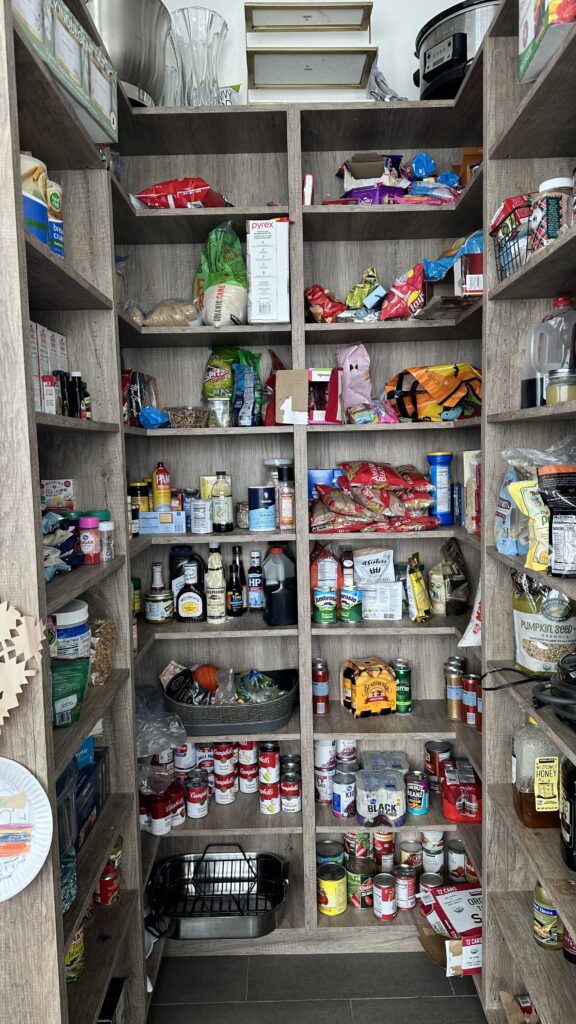
Before you can organize, you’ve got to see what you’re working with. Start by taking everything out of your pantry. Yes, everything. Spread it all out on the counter or kitchen table so you can assess what you have, what you use, and what’s well past its prime (we see you, expired breadcrumbs from 2019).
Toss anything that’s expired or just not getting used. You might be surprised how much space you can reclaim simply by decluttering. Taking inventory now also helps you plan for better pantry storage solutions later, so you’re not organizing things you don’t actually need.
Learn more about tackling clutter.
Once your shelves are cleared and you’ve narrowed things down, it’s time to sort. Group similar items together into broad categories like baking supplies, snacks, canned goods, breakfast foods, pasta and grains, or spices. These groupings form the foundation of your new pantry “zones.”
Why does this matter? Because when everything has a logical home, it’s easier to find what you need and easier to put things away. Plus, it makes the whole pantry feel calmer and more intentional. This often means fewer last-minute grocery runs and a lot less stress at dinnertime.
Click here for more ideas on organizing kitchen tools.

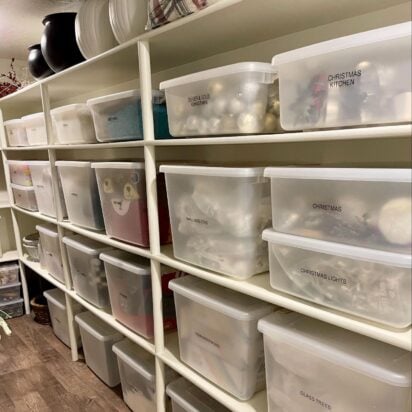
There’s something incredibly satisfying about seeing everything in its place, and clear containers make that possible. Whether you’re storing snacks, baking ingredients, or grab-and-go lunch items, transparent bins and jars help you instantly see what you have and how much is left. That means no more buying a second box of rice only to find one half-full and hiding at the back of the shelf. Clear pantry storage also creates a uniform look that makes your space feel more open and less cluttered. Another bonus is that it’s easier for the whole family to keep things in order when everything is visible and accessible.
On the other hand, functionality doesn’t have to come at the expense of aesthetics. Labeled baskets and wooden bins are another excellent option, especially if you want to add some warmth and texture to your space. With a clean label and cohesive look, they keep things just as organized while creating a more inviting, lived-in feel.
Labels might seem like a small detail, but they make a big impact. When every bin, basket, and container has a clear label, it takes the guesswork out of staying organized. You’ll always know where things go — and so will everyone else in the house.
You don’t need a fancy label maker (though it’s fun if you have one). Handwritten tags, chalkboard stickers, or even masking tape and a marker can do the trick. The goal is to create a pantry system that’s easy to follow and even easier to maintain.
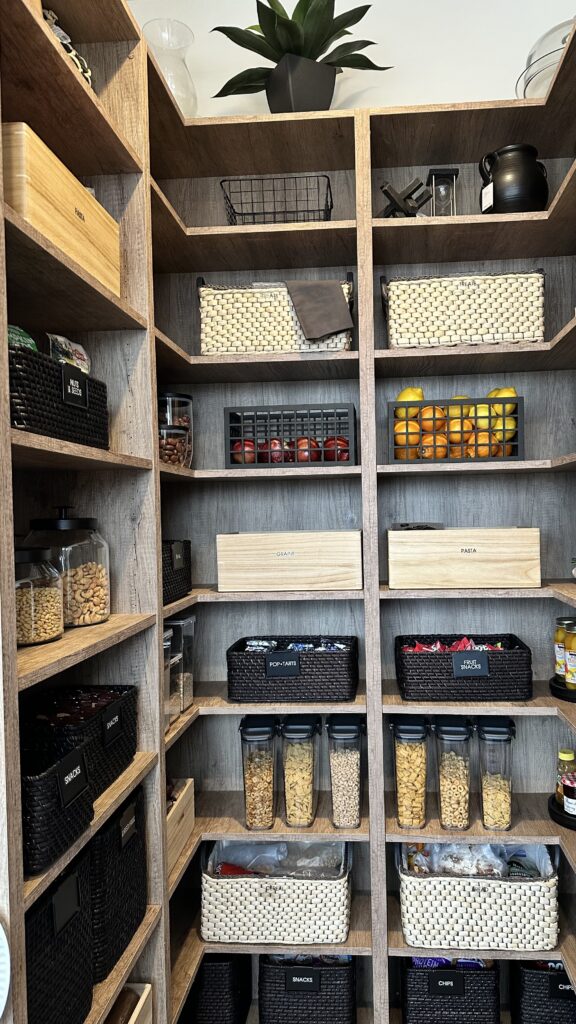
If your shelves feel packed but your pantry still isn’t working for you, the problem might not be how much space you have but how you’re using it. Vertical space is often overlooked, but it’s one of the easiest ways to instantly boost your storage.
Try adding tiered risers for canned goods and spices so you can actually see everything at a glance (no more digging for the tomato paste). Stackable bins or baskets are great for grouping snacks or baking supplies, especially on deep shelves. And don’t forget the floor: a sturdy wire rack or rolling cart can hold bulk items or overflow storage without crowding your shelves.
Some pantry items have a way of disappearing into the shadows (most often oils, vinegars, sauces, and small spice jars). That’s where a lazy Susan comes in handy. These rotating trays make it easy to gather smaller, easily forgotten items and bring them front and center with just a quick spin.
They’re especially useful in corner shelves or deep cabinets, where reaching the back can feel like an arm workout. Use one for condiments, another for baking extracts, or even one just for kids’ snacks. The best part is you’ll no longer be knocking over half the shelf just to grab the soy sauce.
Your pantry door is valuable storage space just waiting to be used. No matter what type of pantry you have, the back of the door can be the perfect spot for small, frequently used items. It’s one of the easiest ways to expand your pantry storage without sacrificing shelf space.
Install an over-the-door organizer with shallow shelves or pockets to store spices, seasoning packets, granola bars, foil and wraps, or even vitamins. If you’re short on wall space, adhesive hooks or magnetic racks can hold lightweight items like measuring spoons or reusable bags.
Snacks are one of the most-used (and most quickly disorganized) parts of the pantry. Creating a dedicated snack zone keeps things tidy and makes it easy for everyone to grab what they need without rummaging through every shelf.
Use clear bins or baskets to separate snacks by type: granola bars in one, chips in another, and fruit cups or squeeze pouches in their own container. Place the bins at eye level for kids so they can help themselves, or higher up if you want to keep a little more control over the cookie stash.
Dry goods like flour, sugar, pasta, rice, and oats are pantry staples, but their original packaging is often not so great for long-term storage or easy access. Transferring these items into glass jars or airtight containers keeps them fresher longer and prevents spills, while giving your shelves a clean, uniform look.
Choose clear containers so you can quickly see how much you have left, and label each one for good measure. Stackable options are great for saving space, while wide-mouth jars make scooping and pouring a breeze.
Even the most beautifully organized pantry needs a little upkeep. A simple weekly reset keeps clutter in check and makes it easier to stay stocked and organized. Take a moment to check expiration dates, tidy up any bins that have gotten messy, and move older items to the front so they get used first.
It’s also a great time to jot down anything that’s running low so your next grocery trip is more efficient. A few minutes each week keeps your pantry from becoming overwhelming again, and it helps you keep enjoying the benefits of your hard work.

Getting your pantry in order is one of those small changes that makes a big difference. It leads to less stress, less waste, and more ease in your daily routine. But if you’re feeling overwhelmed or just not sure where to start the pantry organization process, you don’t have to go it alone.
At Organize Simply, we specialize in transforming everyday spaces into calm, functional places you actually enjoy using. If you need help setting up a brand-new system or refreshing an existing one, our team is here to guide you every step of the way.
Ready to tackle pantry organization? Contact us today to schedule a consultation.