If you’ve ever walked into your child’s bedroom and felt like the toys might be multiplying overnight, you are not alone. One minute it’s clean, the next it looks like a tornado of LEGOs, socks, stuffed animals, and mystery papers swept through. Kids’ rooms seem to attract clutter faster than any other space in the […]
If you’ve ever walked into your child’s bedroom and felt like the toys might be multiplying overnight, you are not alone. One minute it’s clean, the next it looks like a tornado of LEGOs, socks, stuffed animals, and mystery papers swept through. Kids’ rooms seem to attract clutter faster than any other space in the house, and keeping them organized can feel like a never-ending battle.
However, with the right setup, you can create a space that’s easy for your child to maintain (yes, really), makes cleanup faster, and still leaves plenty of room for play and personality. Let’s break down simple, realistic ways to turn chaos into calm with our 10 best tips for organizing kids’ bedrooms.
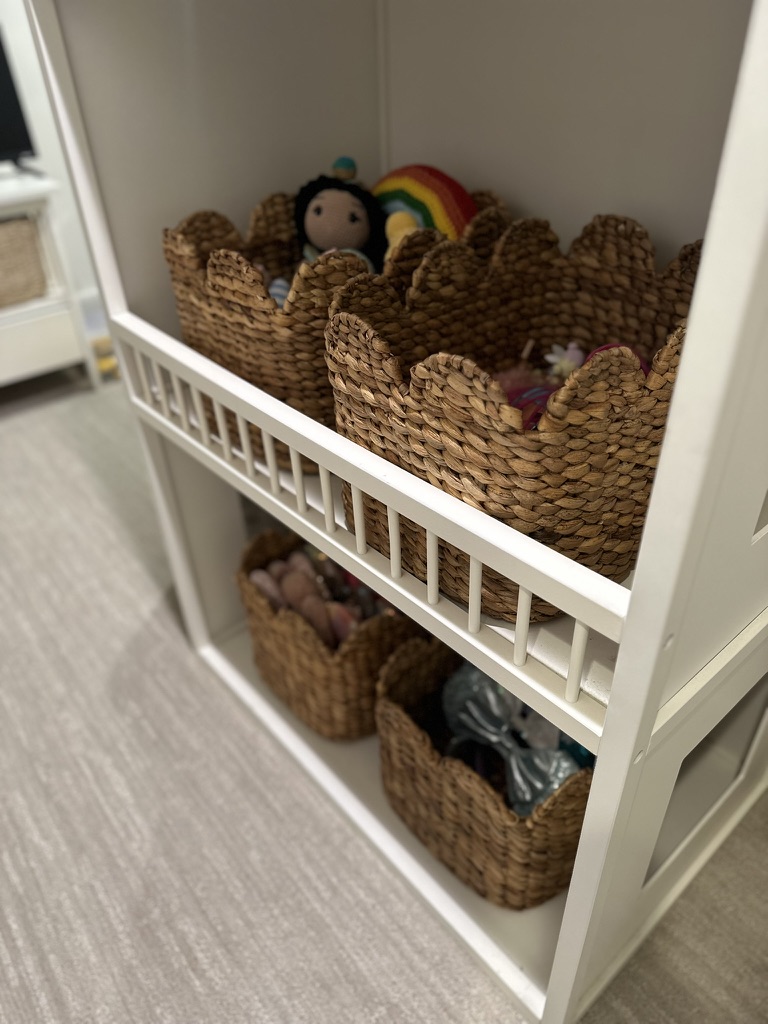
Before you buy bins, baskets, or new storage furniture, start with the most important step: decluttering. Kids bedroom organization is so much easier when you’re not trying to store things your child has already outgrown, no longer uses or that’s mismatched or broken. Set aside time to go through toys, clothes, books, and random “treasures” together. When kids are part of the process, they’re more likely to understand what stays and why everything needs a home.
Make it simple and low-pressure. Gather all the toys in the bedroom (and maybe in the house) so it’s all in one place. Then create three piles: keep, donate, and toss. Ask easy questions like, “Do you still play with this?” or “Would another kid love this more than you do?” Letting your child make choices builds responsibility and makes cleanup feel less like a punishment. Once the clutter is gone, you’ll be amazed at how much calmer—and easier to organize—the room already feels.
One of the easiest ways to keep a kid’s room organized is to give each activity its own “zone.” When everything has a purpose and a place, kids don’t have to guess where things go—and cleanup becomes much faster. Think of the room as a mini world with different areas for sleeping, playing, getting dressed, and creating.
Start with a sleep zone around the bed for nighttime books, pajamas, and a small nightstand. Set up a play zone with open floor space and nearby toy storage so toys can be grabbed and put away easily. Create a storage zone in the closet or along one wall for clothes, bins, and extra items. If space allows, add a homework or creative zone with a desk, art supplies, or building toys. Clear zones help kids switch activities—and put things back—without the room turning into one big mess.
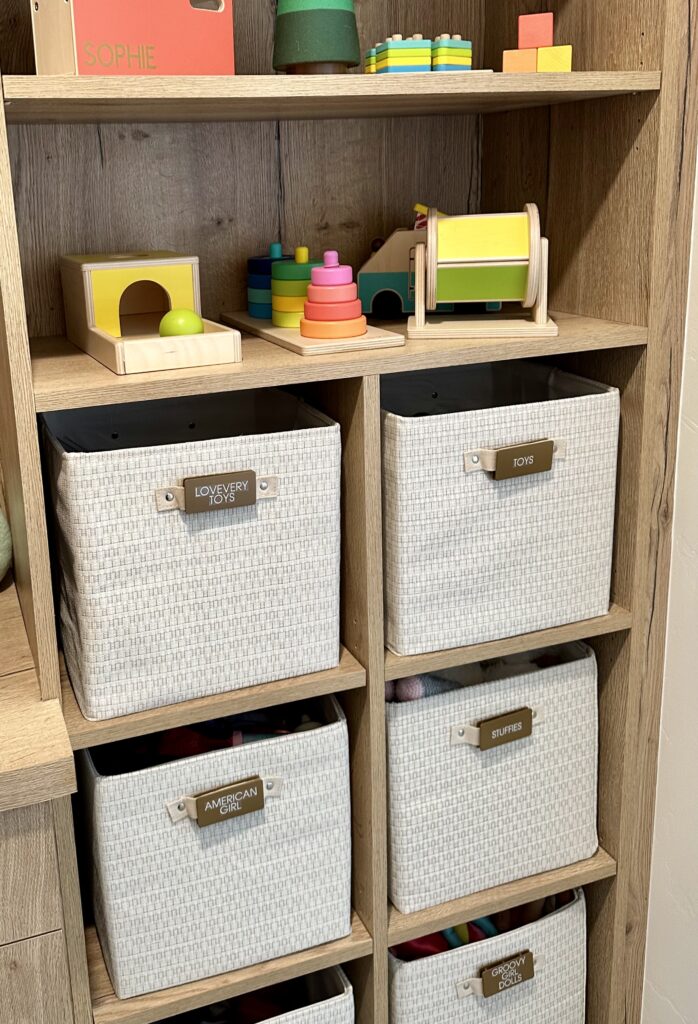
You don’t have to keep every toy out all the time. In fact, fewer toys in the room often leads to more focused play and way less mess. Toy rotation is a simple kids bedroom organization trick where you store part of your child’s toys out of sight and swap them in every few weeks.
Start by choosing a small selection of toys to keep in the room and store the rest in a closet, bin, or storage tote. Every month or so, switch them out. Old toys suddenly feel new again, and your child stays excited without needing more stuff. Bonus: fewer toys in the room means faster cleanup and a calmer space.
For the toys currently in rotation, consider having low and easily accessible storage. If kids can’t reach it, they won’t put it away—simple as that. Low, open storage is one of the most powerful tools for kids’ bedroom organization because it lets children see what they have and grab what they need without asking for help. When storage is designed at their height, cleanup becomes something they can actually do on their own.
Cube shelves with fabric bins, open book ledges, rolling toy carts, and floor-level baskets all make great options. Keep frequently used toys and books on the lowest shelves, and save higher spaces for items you want to rotate or supervise. When kids can easily access—and return—their belongings, staying organized becomes part of their everyday routine instead of a constant reminder from you.
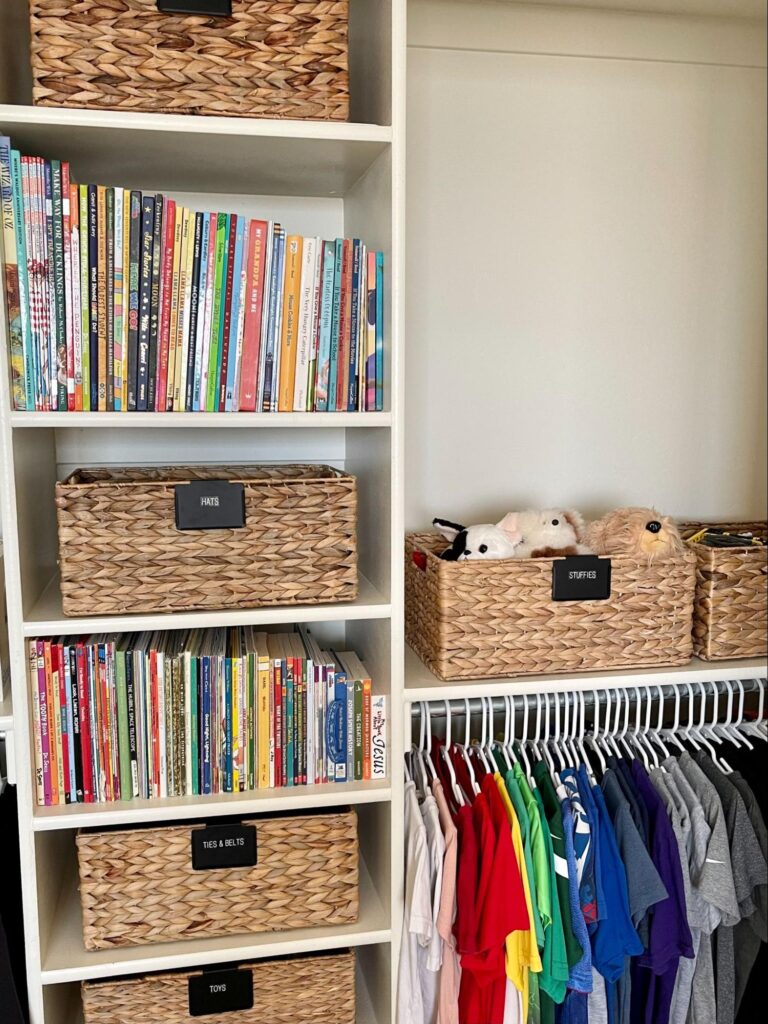
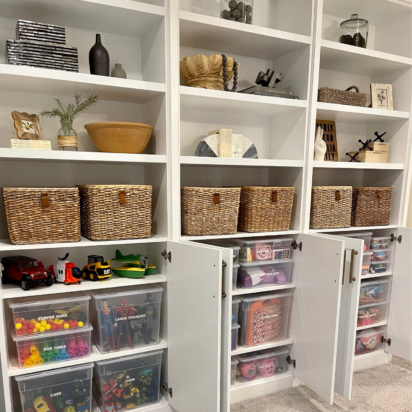
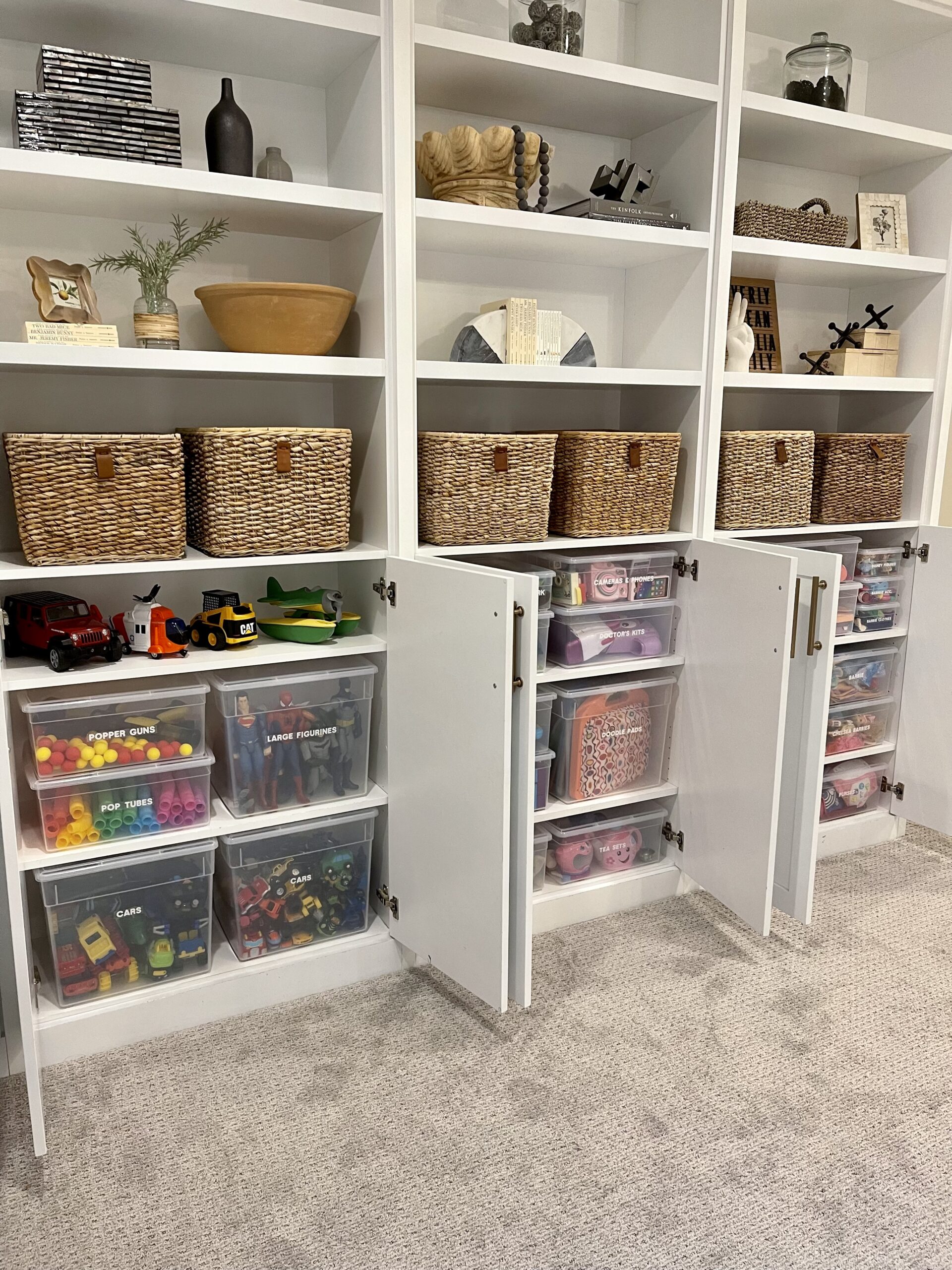
Labels are the secret weapon of kids bedroom organization. When kids know exactly where things go, cleanup stops feeling like a guessing game. Using both words and pictures helps even non-readers understand what belongs in each bin, drawer, or shelf.
Label toy bins, book baskets, craft supplies, and even closet sections so every item has a clear “home.” Here at Organize Simply, we love using labels that are clear and aesthetically pleasing, so they only add to the space. Having clear labels helps keep the room tidy, and it also builds independence and confidence as kids learn to take responsibility for their space—without needing you to direct every step. We also typically use The Container Store boxes that come in a wide range of sizes and are modular, so you can make the most of the space.
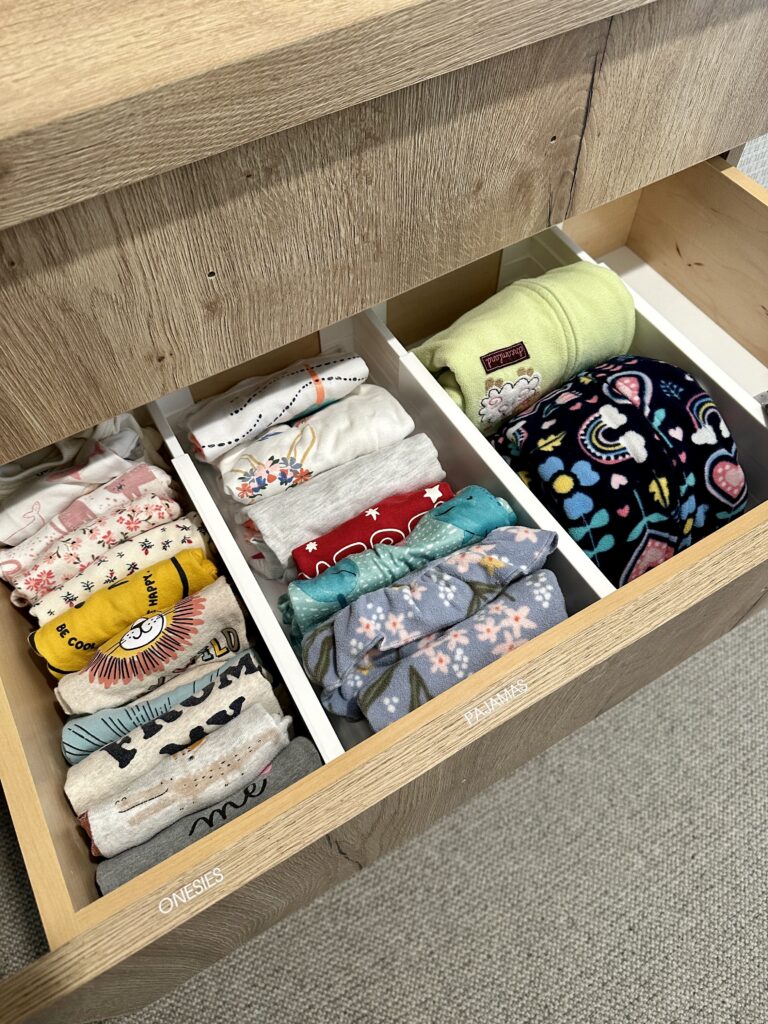
When drawers and closets are one big open space, everything gets mixed together. Dividing these areas into smaller sections makes it easier for kids to see what they have and put things back where they belong. Instead of one messy drawer, you suddenly have simple categories that make getting dressed and cleaning up feel effortless.
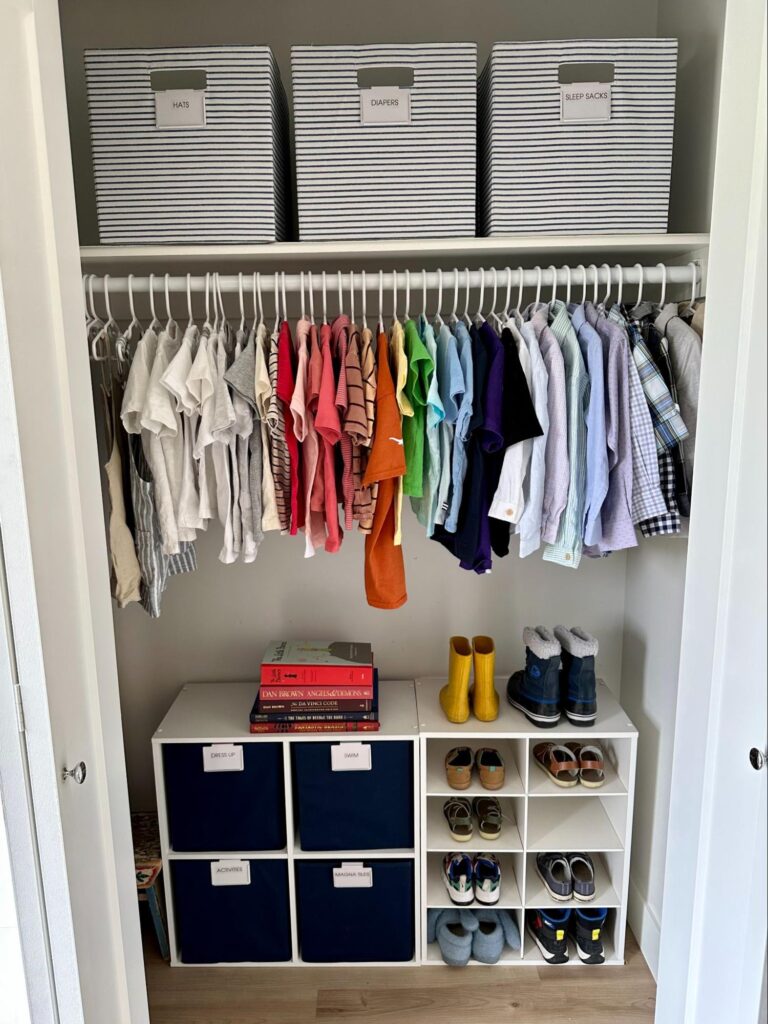
Use drawer dividers or small bins to separate socks, pajamas, underwear, and everyday clothes. In the closet, add a second lower rod so kids can reach their own clothes, and use shelf dividers to keep stacks from toppling over. When each item has its own spot, your child can find what they need—and put it away—without pulling everything out in the process.
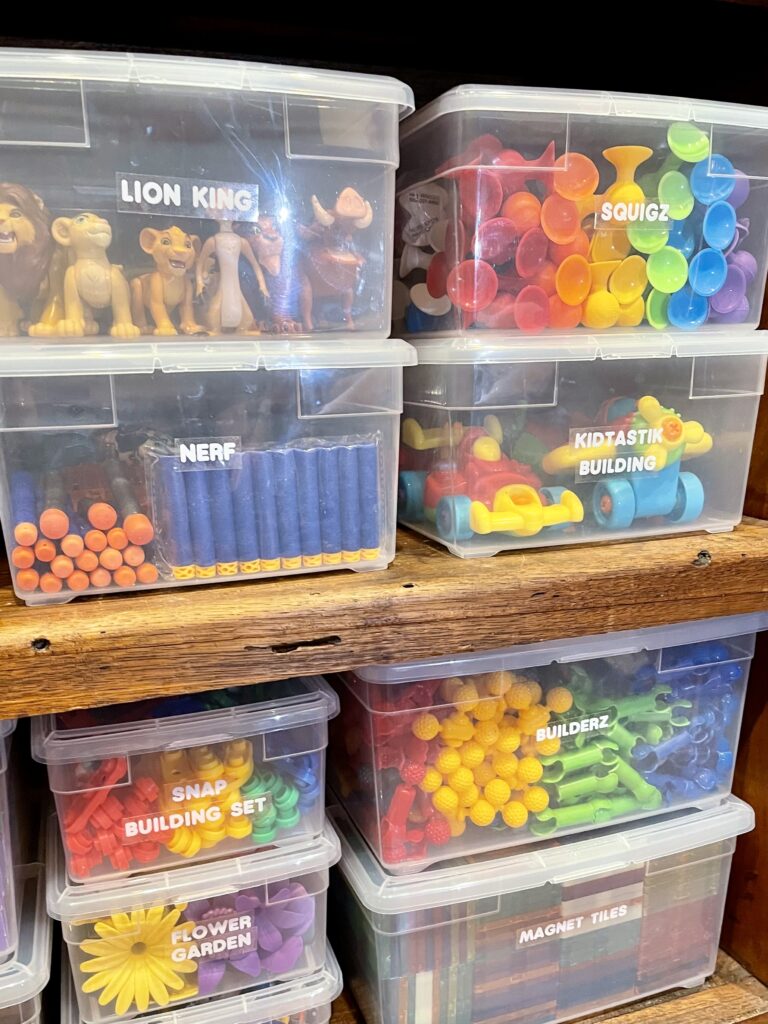
It’s tempting to organize toys by how big or small they are, but that’s one of the fastest ways for a kid’s room to turn messy again. Instead, store toys by category so kids know exactly where each type belongs. When all the cars go in one bin and all the dolls in another, cleanup becomes simpler.
Group similar items together like building sets, action figures, puzzles, games, art supplies, and stuffed animals. Use clear or labeled bins so kids can see what’s inside without dumping everything out. Storing toys by category helps children find what they’re looking for faster—and makes it much easier to return things to the right place when playtime is over.
The space under your child’s bed is prime real estate, especially for items that don’t need to be out every day. Using under-bed storage is a smart way to keep bulky or seasonal items organized without taking up valuable floor or closet space. It’s one of the easiest ways to add storage without adding furniture.
Store bedsheets, extra blankets, off-season clothes, big puzzles, sports gear, or large toys in low-profile bins that slide easily in and out. Choose containers with wheels or handles so kids can access them on their own. When those bigger items have a hidden home, the rest of the room feels more open, calm, and clutter-free.
When floor space is limited, the walls can do a lot of the heavy lifting. Vertical storage makes use of height instead of square footage, helping you keep surfaces clear while still giving kids easy access to their favorite things. It’s a great way to organize without crowding the room.
Install wall shelves for books, trophies, or decor, and use pegboards to hold art supplies, hats, or small toys. Over-the-door organizers work perfectly for shoes, crafts, or dress-up accessories. By moving storage upward, you free up floor space for play while keeping everything visible, reachable, and easy to put back.
The secret to keeping a kid’s room organized is a quick daily reset. Spending just 5–10 minutes each evening putting things back where they belong prevents mess from piling up and makes mornings calmer. When cleanup is short and consistent, it feels manageable instead of overwhelming.
Make it part of the bedtime routine by setting a timer or playing a favorite song while your child tidies up. Because everything already has a labeled home, they’ll know exactly where to put things. Over time, this simple habit turns kids’ bedroom organization into second nature—and keeps the room looking neat without constant reminders.
If you’re ready to stop fighting the battle of keeping your kids’ rooms clean, Organize Simply can help. Our team of expert organizers know all the tips and tricks that can transform a cluttered space into something functional that you enjoy spending time in—even the messiest kids’ bedrooms. We find the best bins and labels, dividers, and shelves and give you the information you need to create organization systems that actually work.
If you’re ready to get started, contact Organize Simply.
For reference, a few of the products mentioned in this post are linked through Tracy’s favorite Organizing Products on Amazon or the Organize Simply LTK shop.