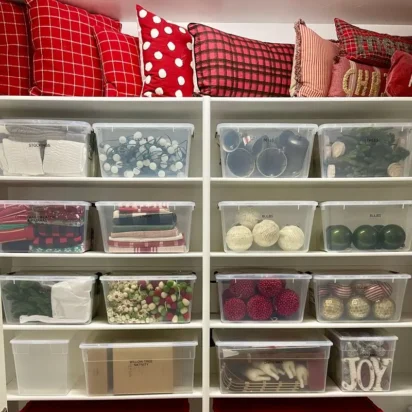
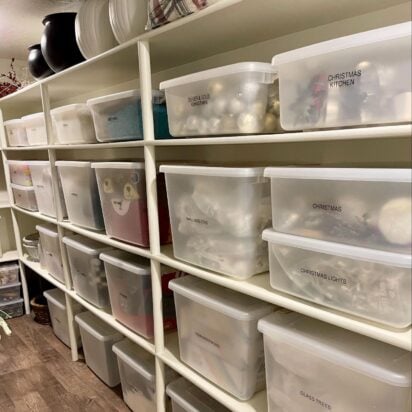
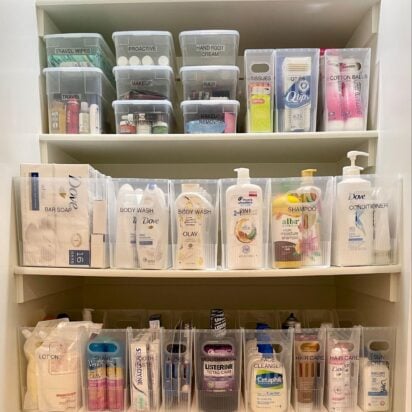
Unpacking after a move doesn’t have to be overwhelming. Follow simple room-by-room tips to stay organized, save time, and make your new house feel like home.
Have you ever stared at a mountain of moving boxes and thought, “Where do I even start?” If so, you’re in good company. Moving is one of life’s most stressful events—the very definition of disruption and upheaval, but it’s also the start of a fresh new chapter. You just need to clear that one last hurdle: Unpacking and organizing.
With a clear plan, you can approach unpacking in a way that feels manageable and sets up your new home for success. You don’t need to have it all together on day one. You just need some smart strategies, a little patience, and maybe a good food-delivery app on your phone (those pots and pans have to be around here somewhere…).
Ready to start thinking outside the boxes? Here’s your room-by-room, step-by-step, easy-on-your-mental-health guide to unpacking after a move.
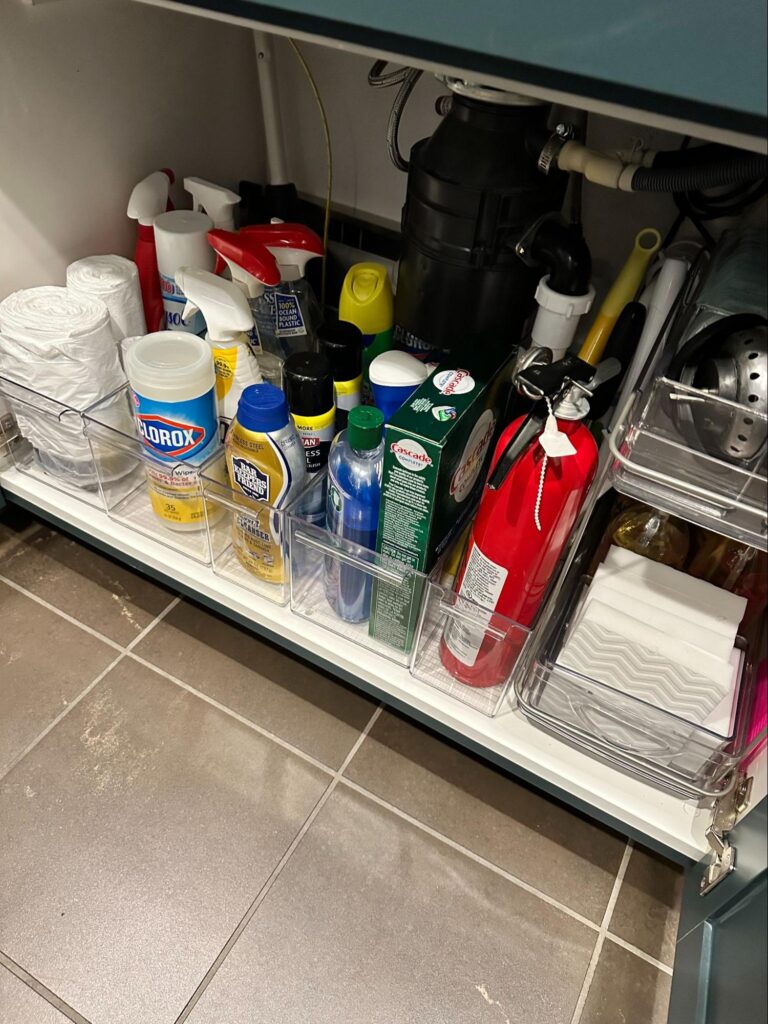
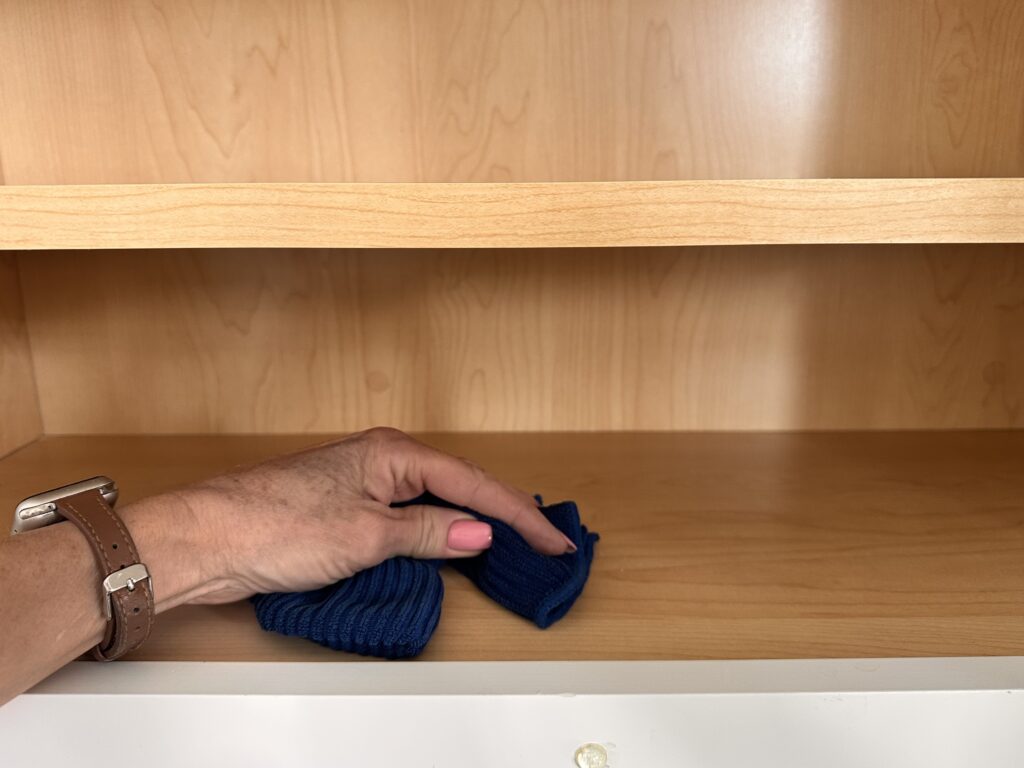
Before you open a single box, give your new space a fresh start. Even if your house looks spotless, you’ll feel better knowing you’ve done some extra sanitizing while all the rooms are still empty and the surfaces bare. Here are some tips to get you started:
Procrastination is the enemy of accomplishment, but the truth is that not every room needs to be unpacked right now. Focus on the spaces that will make daily life run smoothly. Once these major areas are taken care of, then you can move on to the rest.
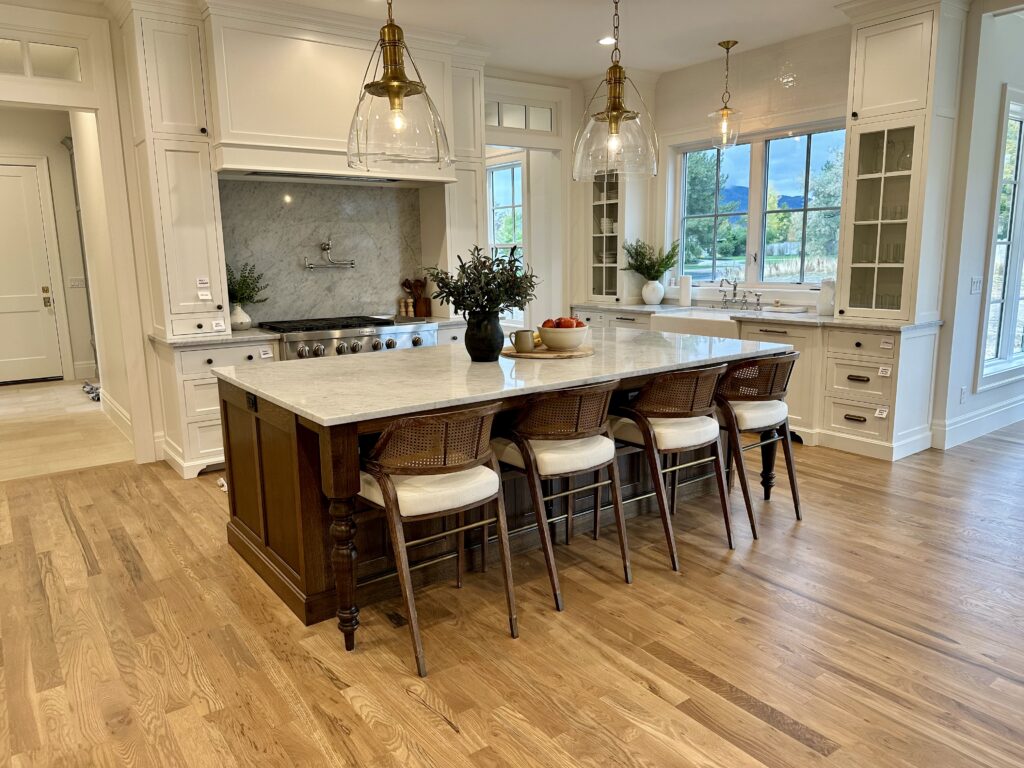
Getting your kitchen set up early is a game-changer. When you can cook (or at least make coffee), everything feels less chaotic.
Worried about getting locked into one specific kitchen setup? Don’t be; you can change your mind later about what goes where. Most people rearrange their kitchen at least once after living in it for a bit. The goal right now isn’t to make it perfect, just good enough.
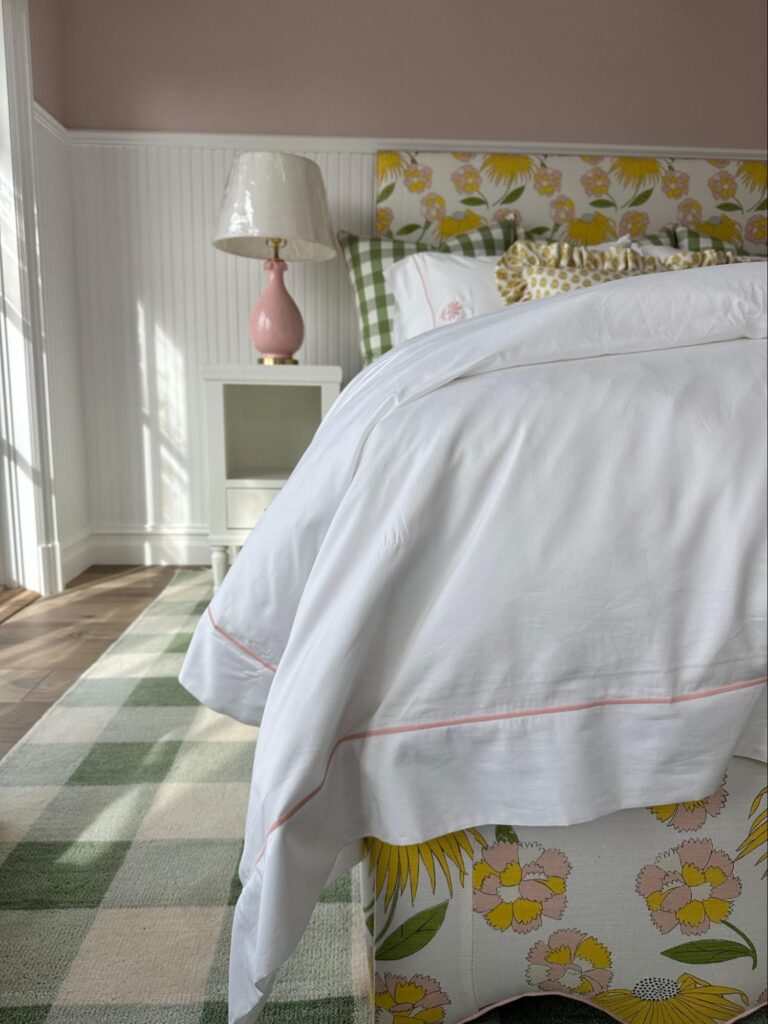
A bright bedroom with natural light, white bedding, and a patterned headboard, creating a cozy and welcoming retreat after moving
Moving is exhausting, so give yourself the gift of a real bed to crawl into once the day is done.
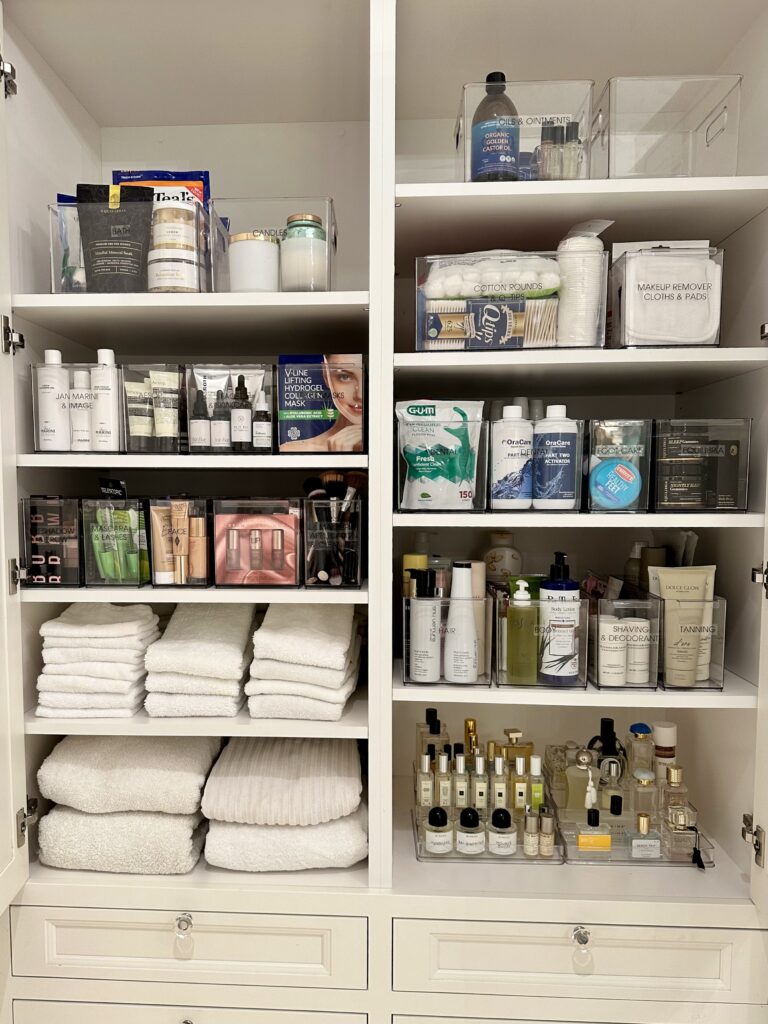
There’s nothing worse than needing a shower and realizing your towels and toiletries are still packed.
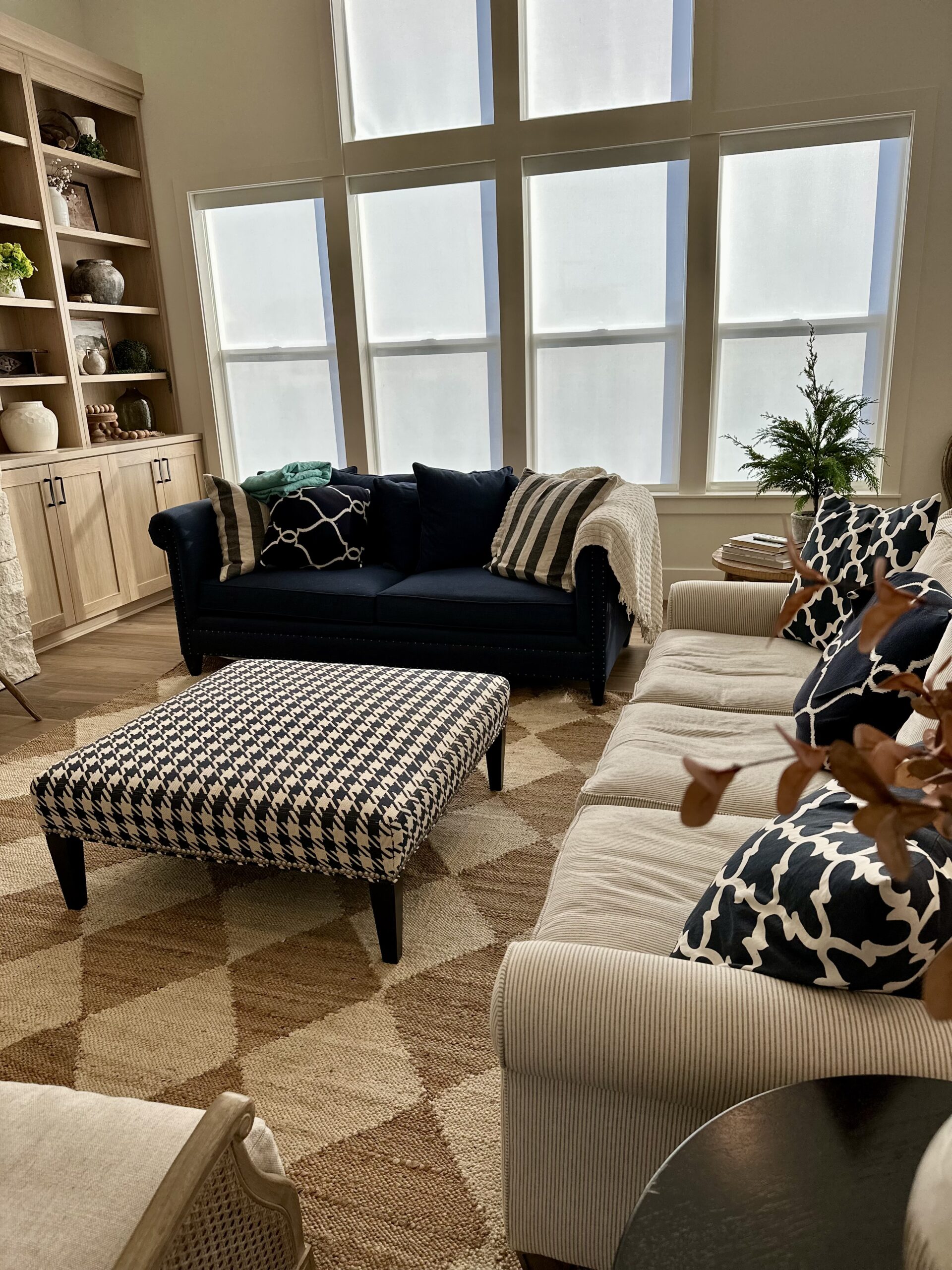
After a long day of unpacking, you’ll want a spot to sit and admire your progress. Getting the living room functional early gives you and your family a place to relax, recharge, and enjoy a little normalcy in the middle of the moving chaos.
It’s good to jump into unpacking with some sense of urgency, but don’t let it trick you into thinking faster is better. A little strategy now saves a lot of frustration later.
Hopefully, your boxes are labeled by room. If not, do a quick scan and shuffle them into the right places. As you unpack, try to:
Instead of bouncing around the house, pick one room and finish the essentials before moving on. The kitchen, then bedrooms, then bathrooms is the order we typically suggest, but if you want to mix it up to meet your needs then don’t hesitate to do so! The important thing is that you can get specific areas finished and ready early on (so your house doesn’t feel like everything is half-done all at once).
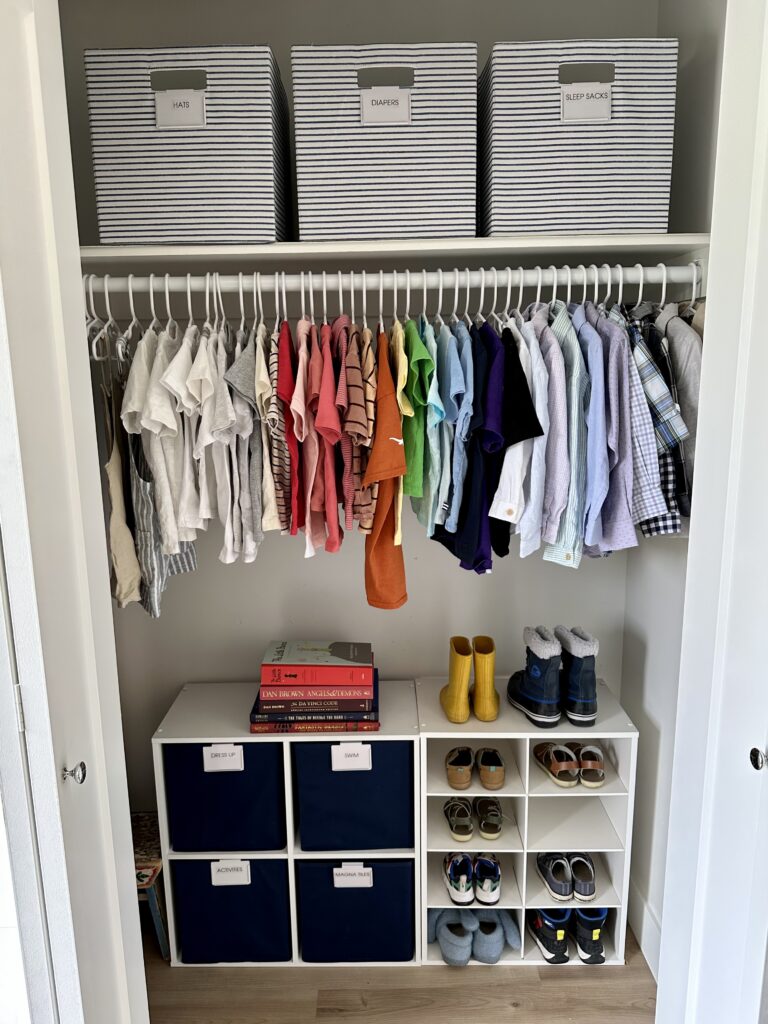
An empty room is basically a blank canvas, so why not turn it into a work of organizational art? Before filling cabinets and drawers, take a moment to think through how you want the space to work for your daily routines—it’ll save you the hassle of reshuffling everything later.
Here’s the truth: if you didn’t get around to purging before the move, unpacking is your second chance to unload some junk. It’s all part of learning how to organize after moving—keeping only what you truly need and love makes everything easier.

So, as you open each box, ask yourself:
If the answer is ‘no’ to any of these questions, drop it in the donation or trash pile. Don’t let old clutter take up prime real estate in your new home.
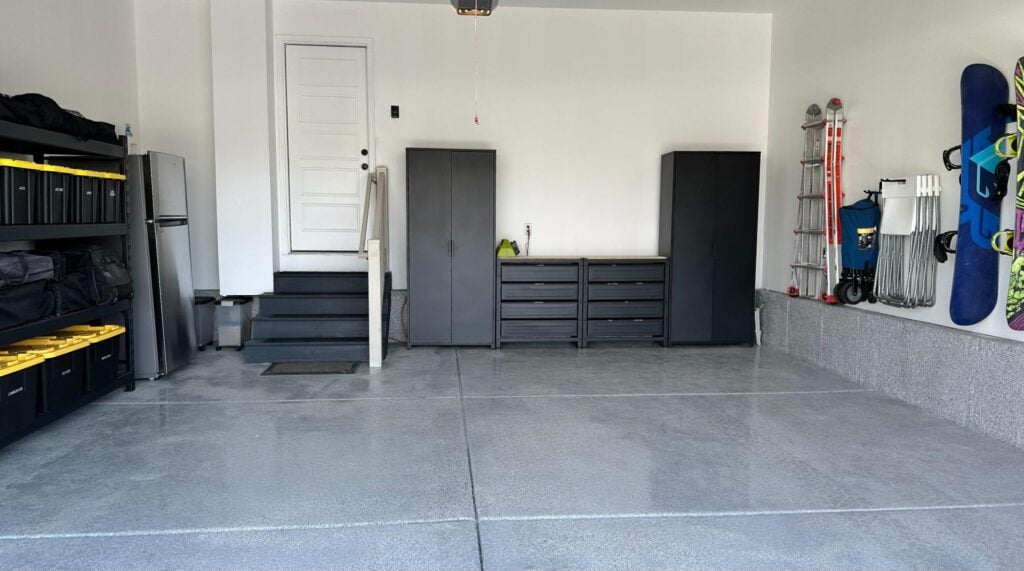
Once the main rooms are functional, you can branch out to the supporting areas. These parts of the house are easy to overlook, but they can play a huge role in your overall move-in organization.
This is the ‘launch zone’ for your daily routine.
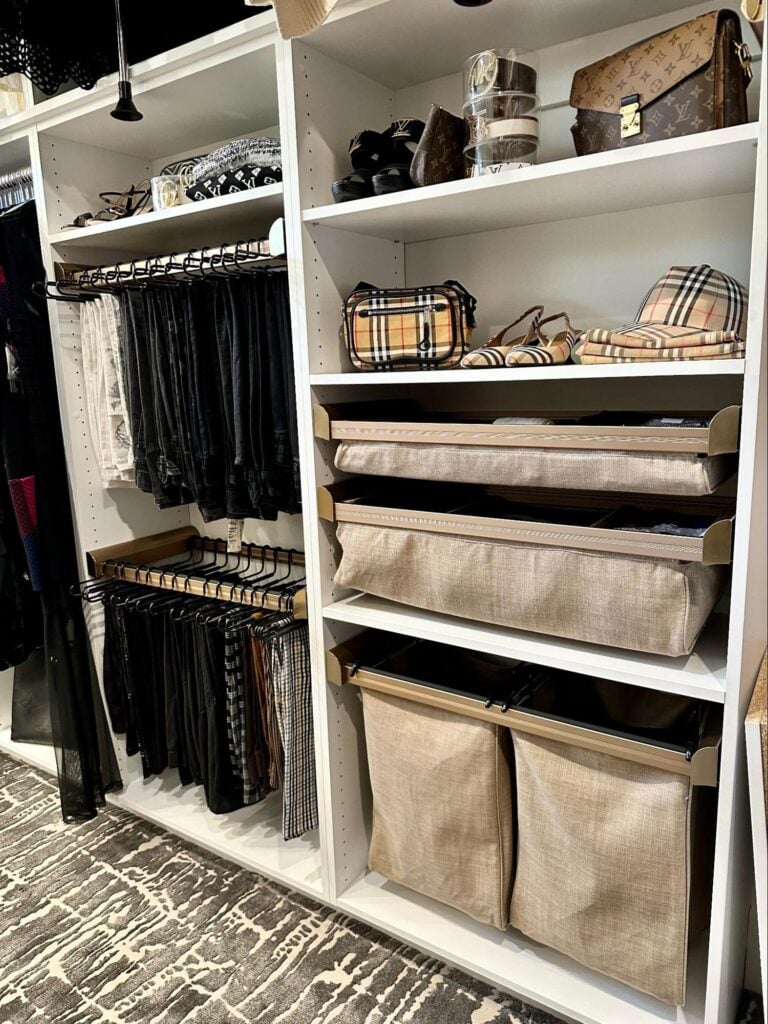
Don’t just shove everything in to get it out of boxes. Take the time to sort by category—shirts together, pants together, shoes lined up. If storage is tight, consider adding bins, shelves, or additional under-bed storage.
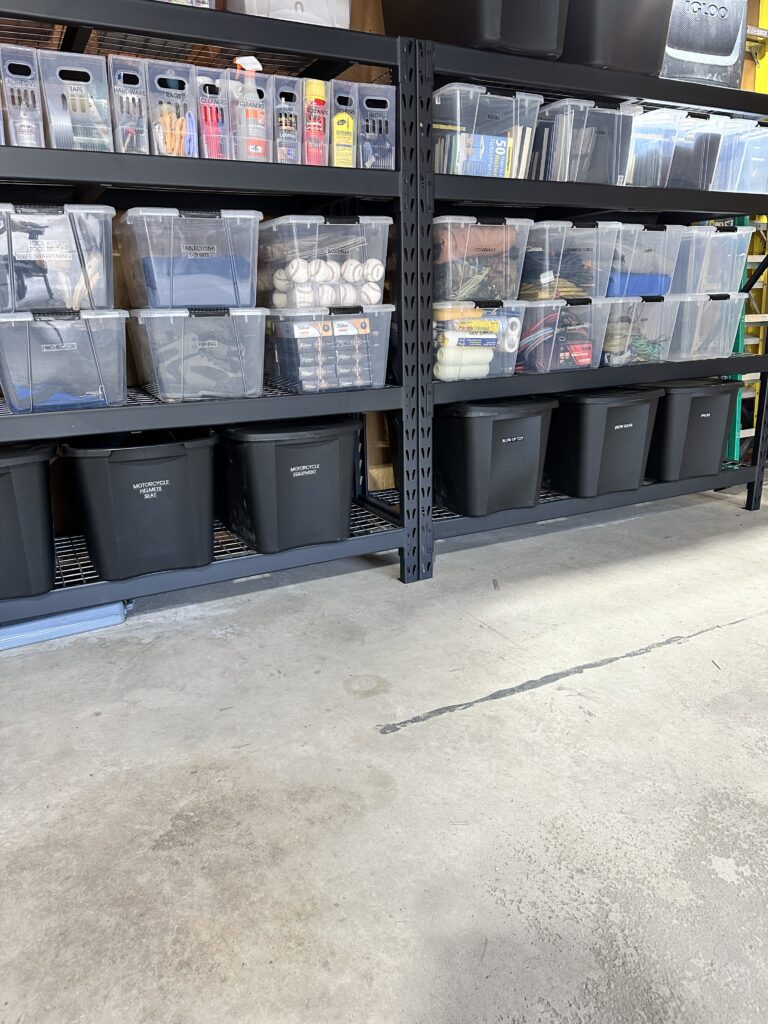
Leave these for last, but don’t neglect them. Otherwise, you’ll end up with a ‘box graveyard.’
How many days does it take to unpack after a move? That’s a hard question to answer. Smaller spaces like apartments might only require 1–2 days, whereas larger houses can take up to a week or more. But that’s assuming you’re opening boxes and moving couches pretty-much all day. The only real answer that we can honestly give is that unpacking almost always takes longer than anyone expects—fully settling in is a victory that might be months in the making.
That’s normal. That’s OK. That’s a reality you can prepare yourself for while still enjoying the transition. Here’s how:
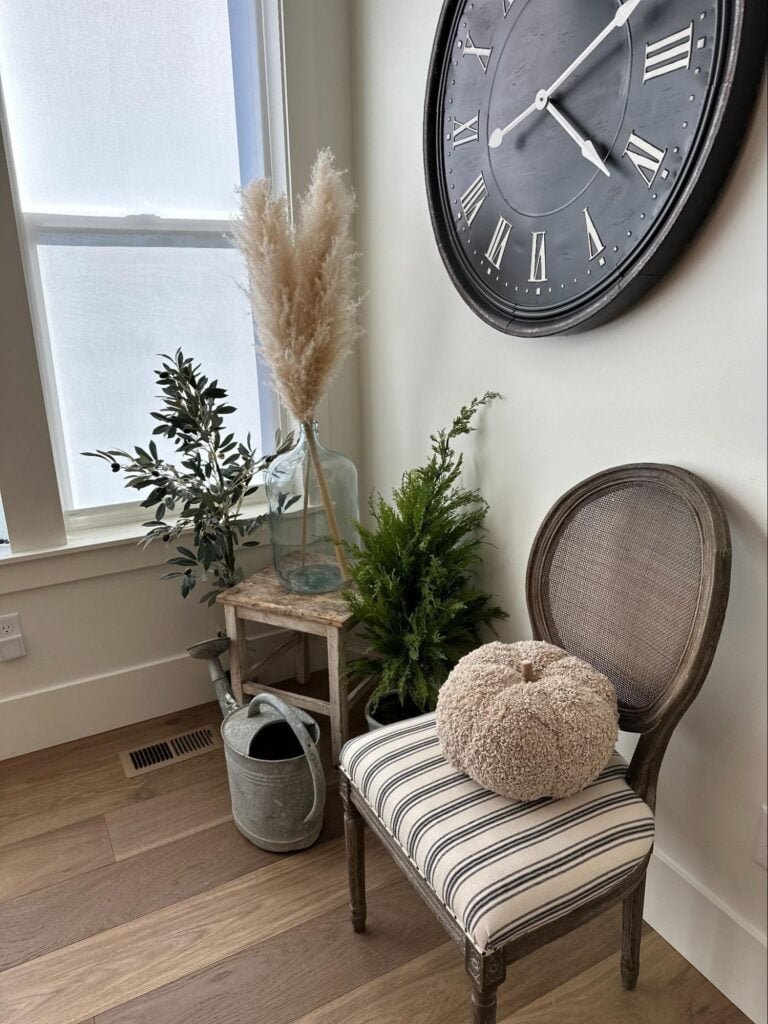
Knowing how to unpack and organize after a move isn’t about perfection. It’s about creating spaces that feel functional, comfortable, and personal to you. Some rooms will come together quickly, others will take time—and that’s okay.
So, take it step by step. Clean first, prioritize the key rooms, unpack with intention, and don’t be afraid to let go of what you don’t need. Before you know it, your house will start feeling like home.
And if you want to skip the stress and dive straight into that cozy, organized feeling? Consider bringing in a professional organizer to help you set up your new home with systems that actually work for your lifestyle. We can take the stress out of your post-move organizing; book a free consultation today!