If your home feels cluttered no matter how many bins and baskets you buy, the problem might not be how much stuff you have. It might be that you are not using all the space available to you. In many homes, there is plenty of storage space inside cabinets, closets, and shelving units, but the […]
If your home feels cluttered no matter how many bins and baskets you buy, the problem might not be how much stuff you have. It might be that you are not using all the space available to you. In many homes, there is plenty of storage space inside cabinets, closets, and shelving units, but the way the shelves are positioned leaves valuable vertical space unused.
The good news is that shelving is one of the simplest and most effective ways to make the storage you already have work harder without sacrificing floor space or squeezing in another bulky cabinet. Sometimes that means adding a shelf. Other times, simply repositioning an existing shelf by a few inches can create an entirely new level of usable storage.
Whether you are organizing a kitchen, a home office, a bathroom, a closet, or a garage, the right shelving ideas can transform underused vertical space into a system that actually works for your daily routine. Here is how to maximize storage using wall shelving in any room of your home.
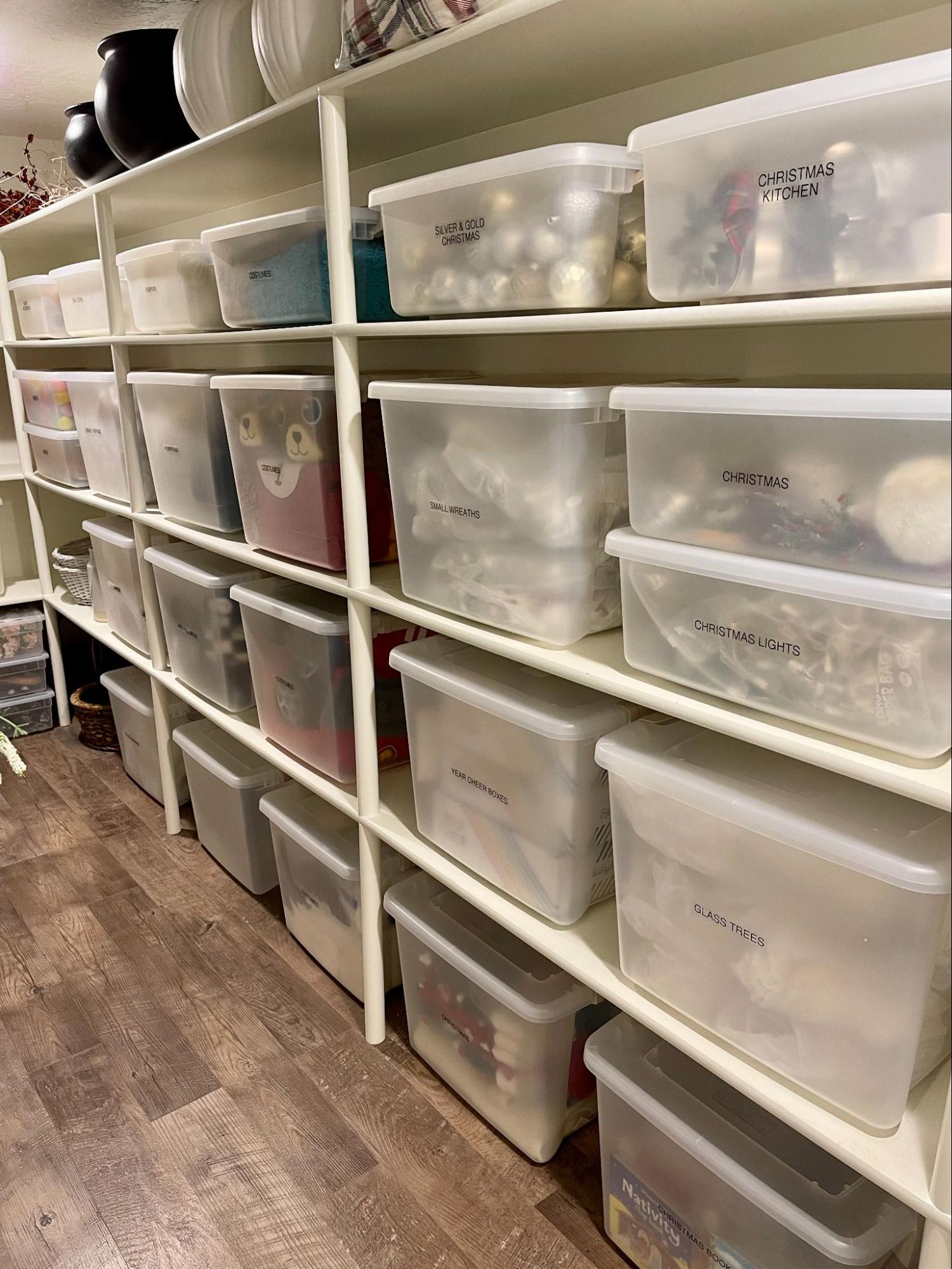
Good shelving goes beyond adding more places to things. Instead, it’s about making the space you already have more functional. When shelves are spaced too far apart, a surprising amount of storage can go unused. For example, if the items inside a cabinet are only eight inches tall but there are sixteen inches between shelves, much of that vertical space is serving no valuable purpose. Repositioning an adjustable shelf or adding another shelf can allow you to use that same cabinet much more efficiently.
A few reasons intentional shelving work so well:
If you are working through a bigger organization project, like tackling a pantry or a storage room, evaluating your existing shelves is a great place to start. In fact, many of the same principles used in our pantry organization tips apply here too, since grouping items by category and keeping daily essentials at eye level makes a real difference in how a space functions.
Not every room needs the same shelving approach. Before you add anything new, look at the shelves, cabinets, and open vertical space you already have. Ask whether adjusting the spacing or adding one intentional level of storage could solve the problem first.
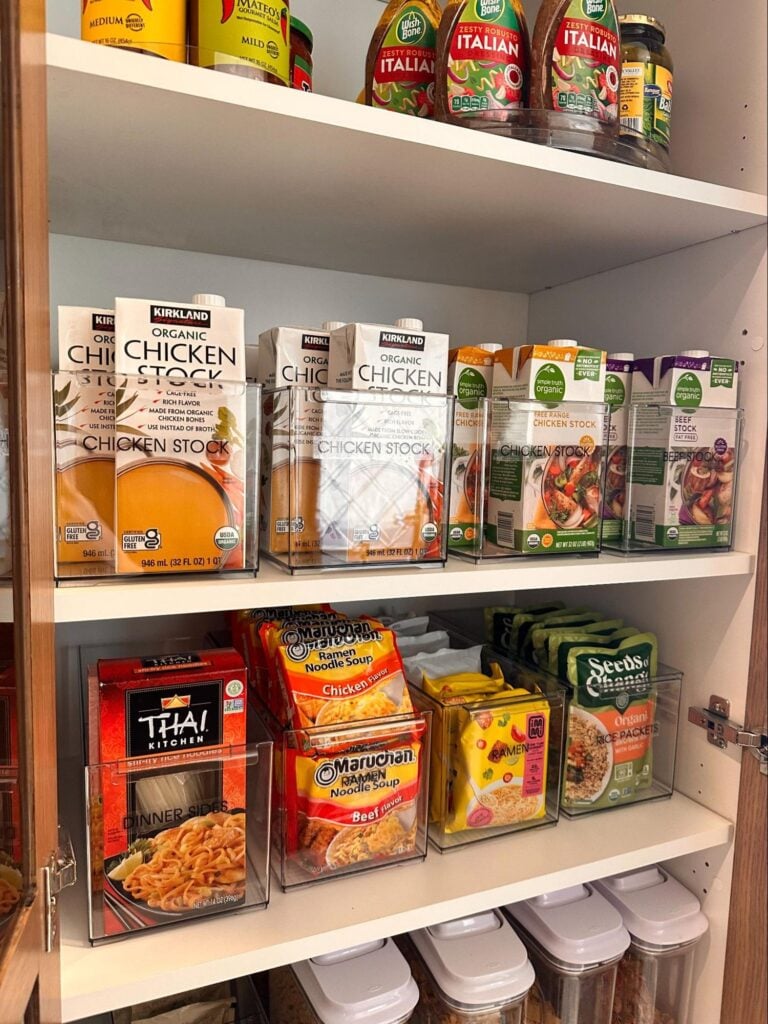
Kitchen cabinets and pantries are some of the easiest places to find wasted vertical space. Instead of automatically accepting the shelf spacing that is already there, adjust removable shelves around what you actually store.
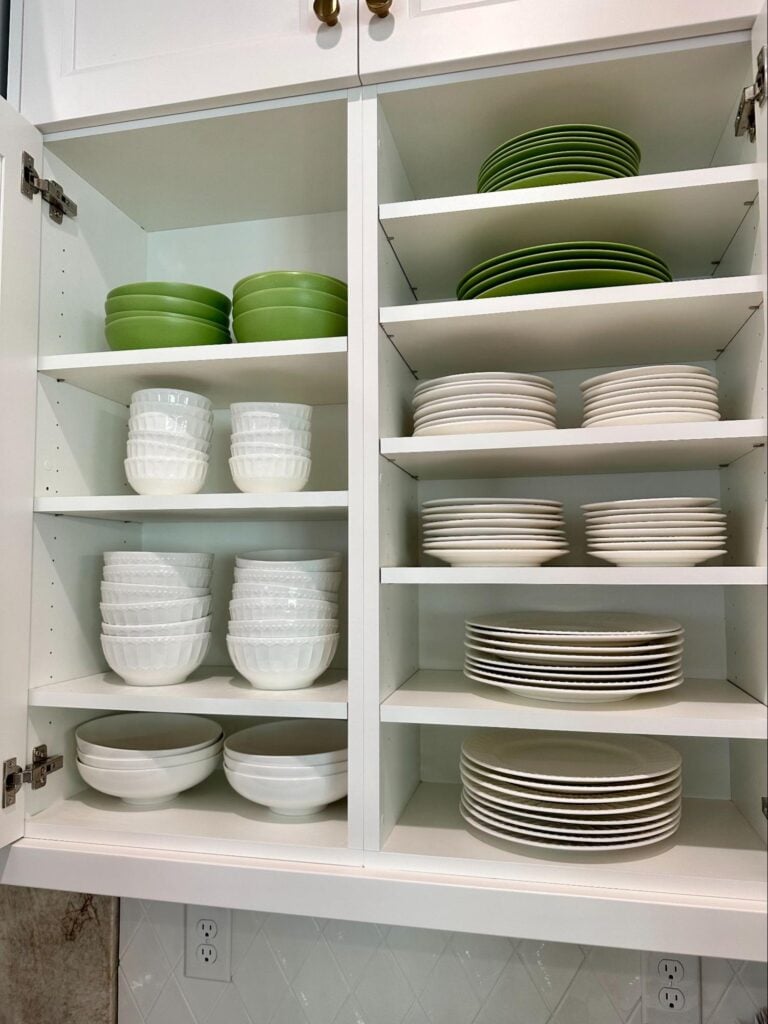
If there is a large gap above your dishes, pantry containers, or small appliances, moving an existing shelf up or down may create enough room for another level. In cabinets with fixed or widely spaced shelves, adding an additional wooden shelf can sometimes dramatically increase usable storage. Just be sure to measure the height of the item you plan to store before determining shelf spacing, and leave enough clearance so you can access items easily while still getting the most out of the space above them.
For a more organized kitchen, try:
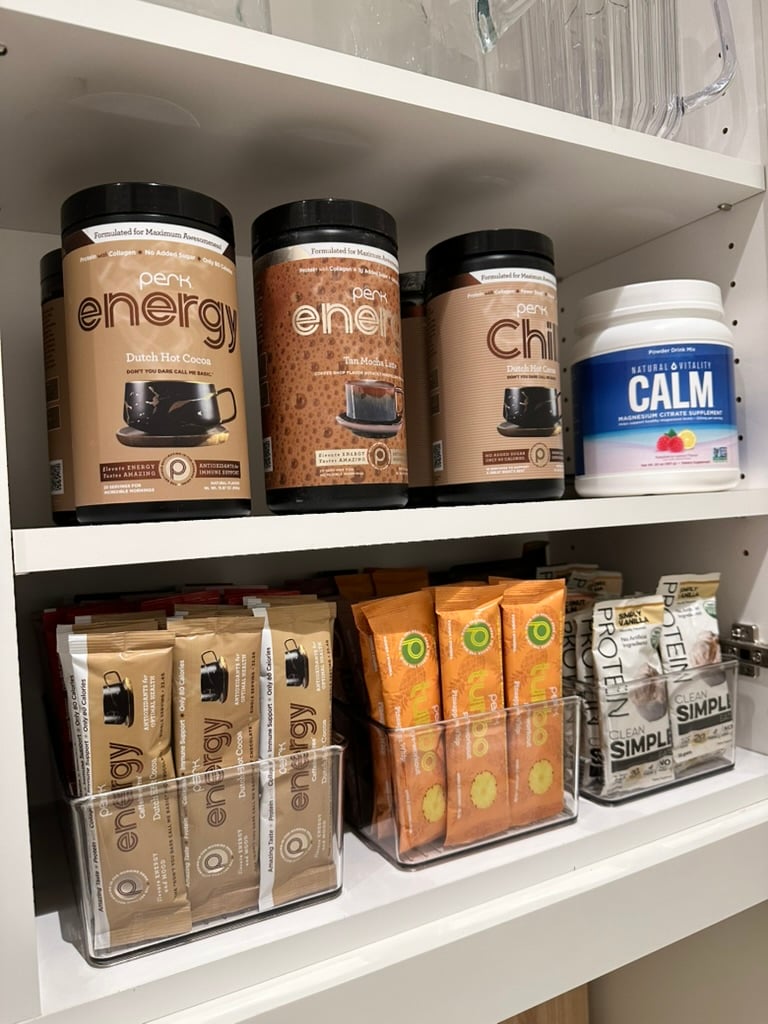
In the living room, wall shelving organization can double as a design feature. Floating shelves around a television, a ladder shelf in a corner, or a full wall of built-in style shelving can hold books, decor, and media storage while keeping the floor open.
The key is to give the shelving a specific purpose before you add it. An empty wall does not automatically need shelves, especially if they are likely to become just another place for miscellaneous clutter to collect. Decide what you need to store first, then choose shelving that fits that purpose.
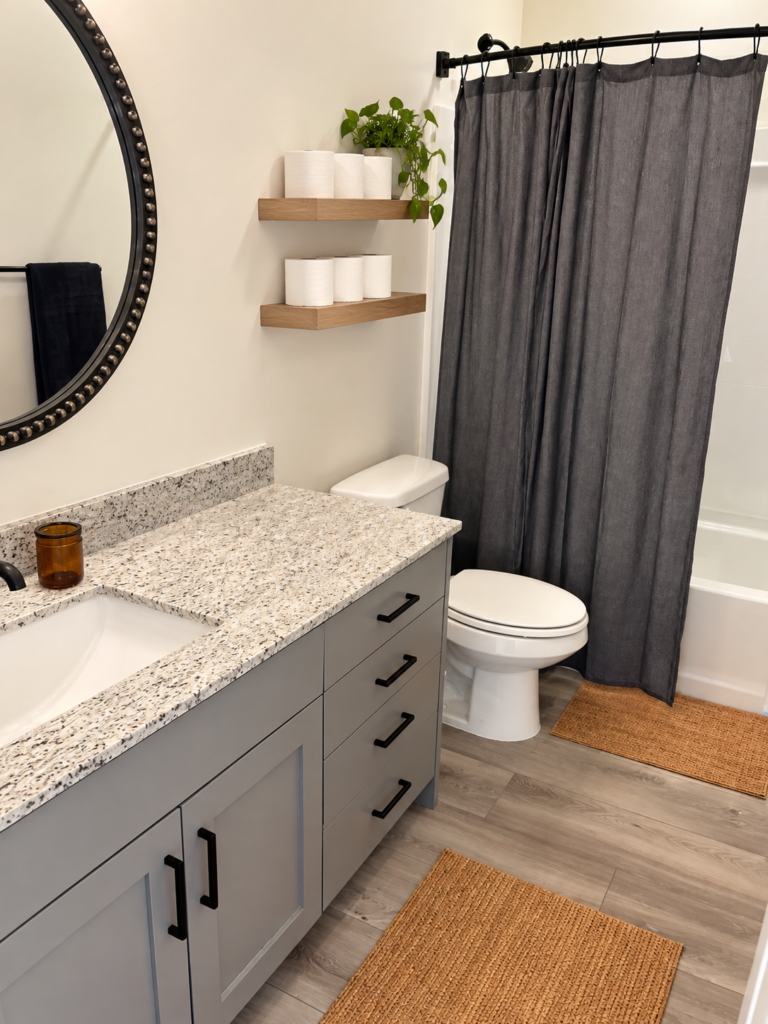
Bathrooms often lack storage, which makes wall organization storage ideas especially useful here. A few narrow floating shelves above the toilet or beside a mirror can hold towels, toiletries, and baskets for smaller items like cotton balls or extra soap.
It is also worth checking the cabinets or linen storage you already have. Moving an adjustable shelf or adding another level can often provide extra room for towels, toiletries, or backstock without adding anything to the wall.
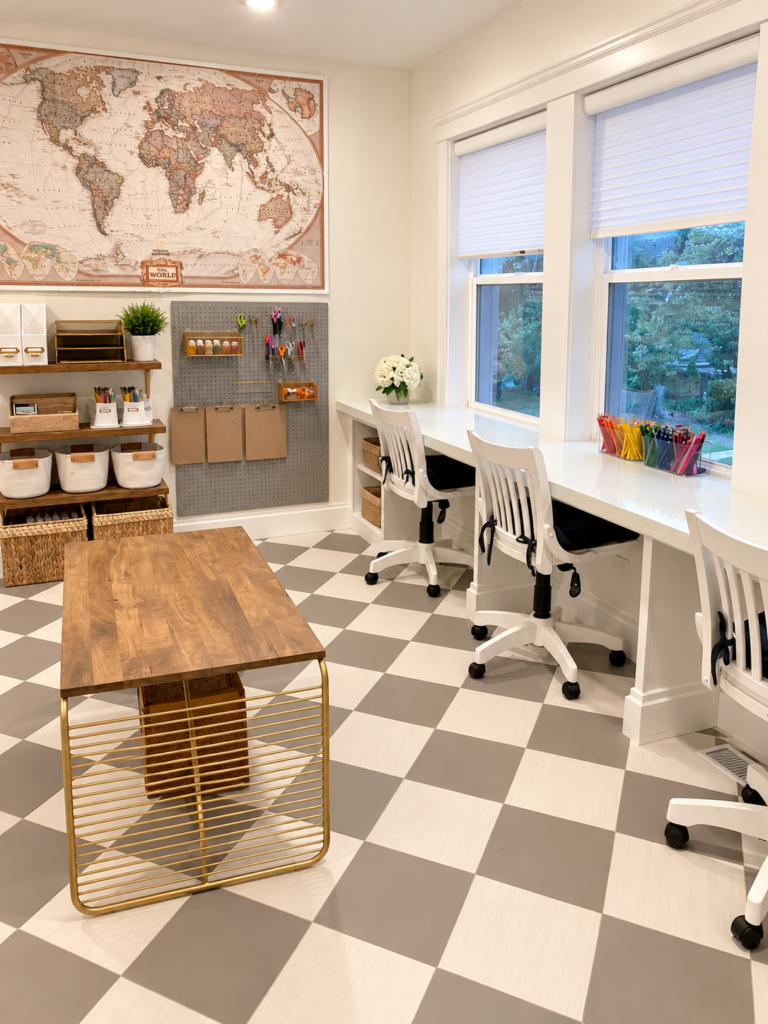
A well organized office benefits from shelving that keeps supplies visible but tidy. Consider shelves above a desk for books, files, and decor, paired with labeled bins for paperwork or office supplies that you do not need to see every day.
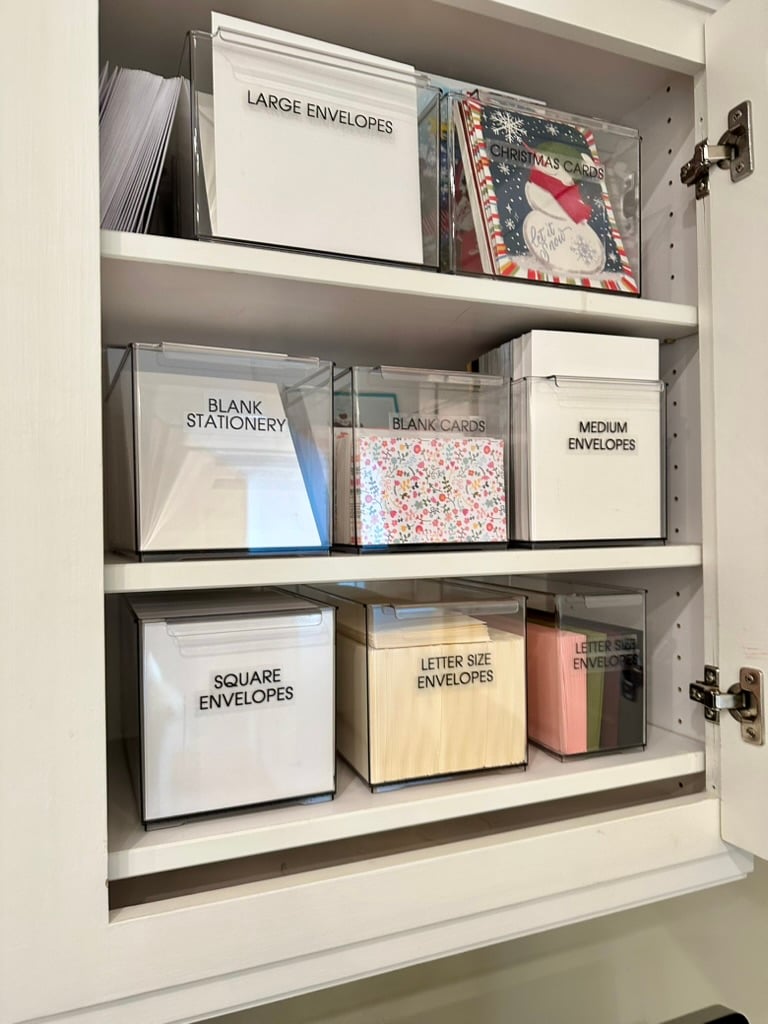
As with other rooms, match the spacing to what you are storing. Short bins, books, or paper supplies do not need a large amount of empty space above them, and tightening that spacing may give you room for another shelf.
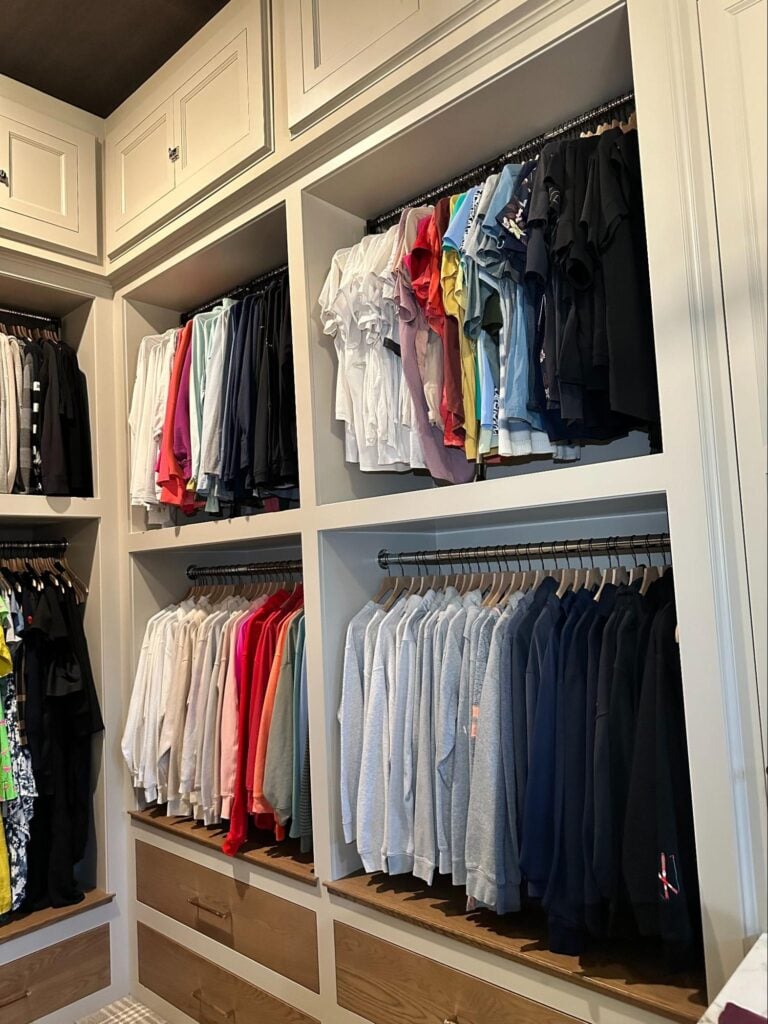
Closets are another place where we often see valuable vertical space go unused. If you have a hanging rod with open space below shirts, jackets, or other shorter clothing, that lower area may be able to accommodate shelving for shoes, folded clothing, baskets, or accessories. Measure from the floor to the lowest point of the hanging clothes so you know exactly how much space you can use without interfering with them. Then look for shelving that fits within those measurements.
If a freestanding shelving unit is almost the right size but slightly too tall, some types of shelving can also be modified to fit. Depending on the construction, shortening the poles with an inexpensive pole cutter may allow the unit to fit neatly beneath hanging clothes. Always make sure the unit can be modified safely without losing stability.
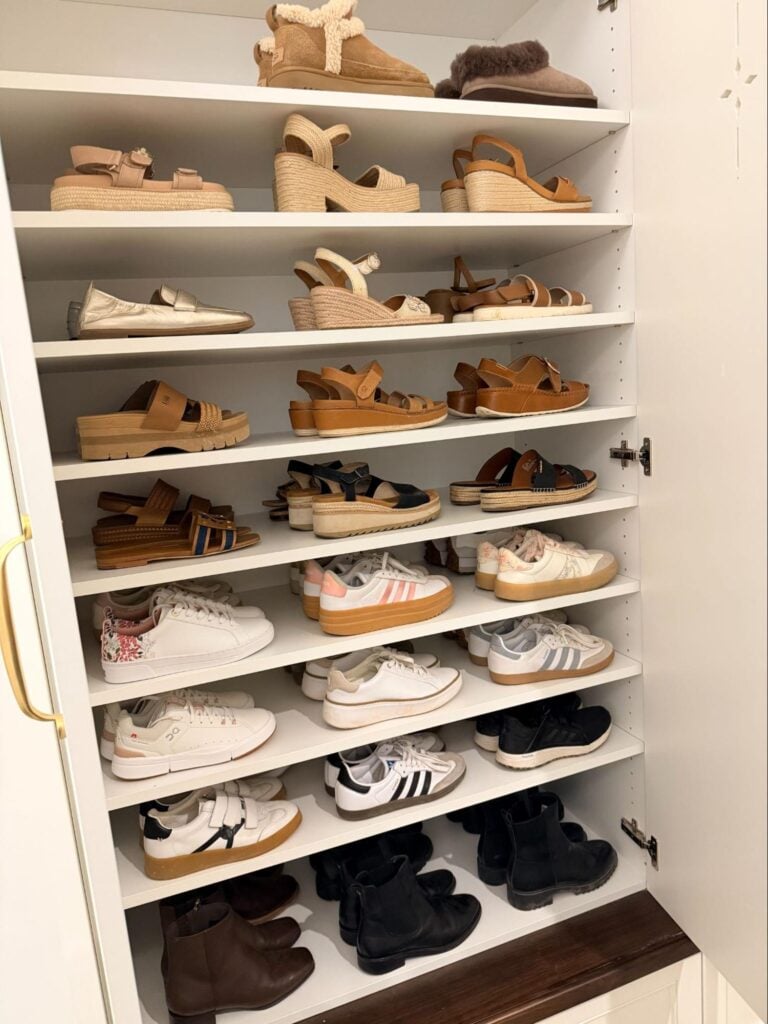
Shoes are a good example of how a few inches of shelf spacing can make a significant difference. If there are twelve inches between shelves but your shoes only need six or seven inches of height, you may be able to add another shelf and create an additional row without increasing the overall footprint.
For shoes you wear less frequently, drop-front shoe organizers can also work well on higher shelves. They help keep shoes protected and visible while making better use of vertical space.
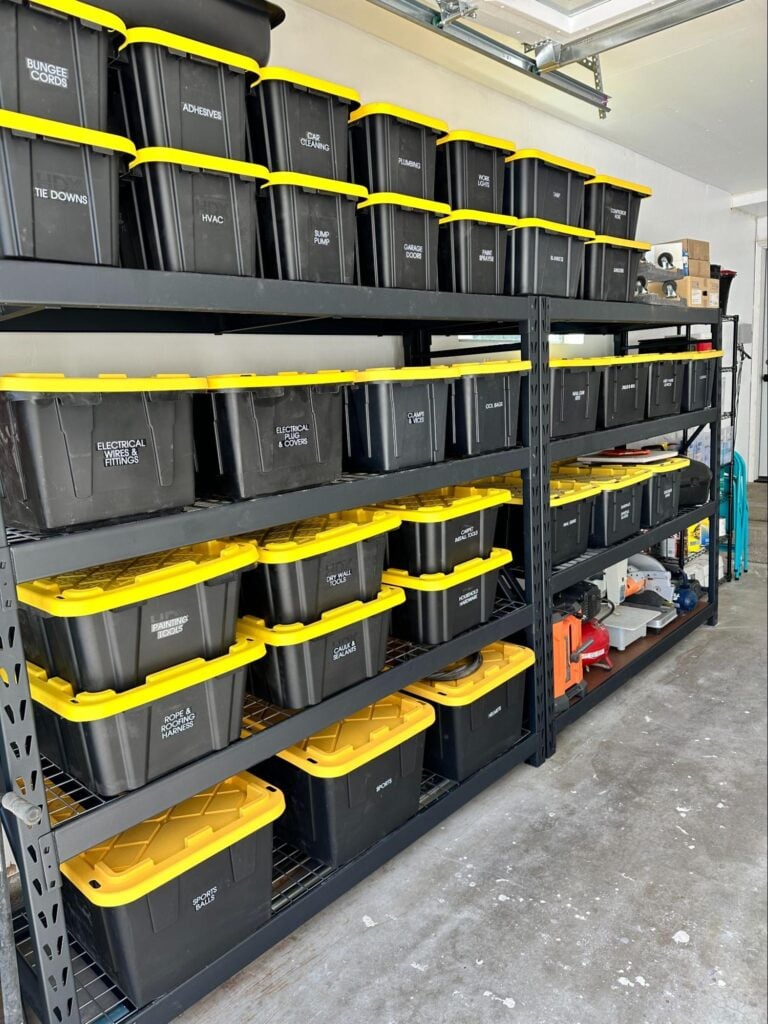
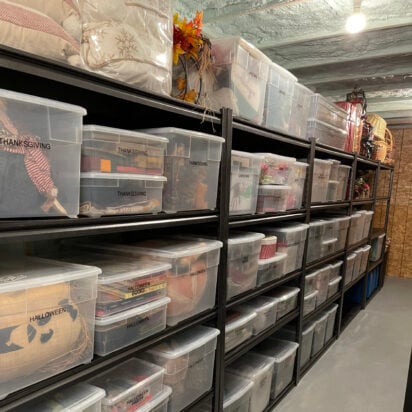
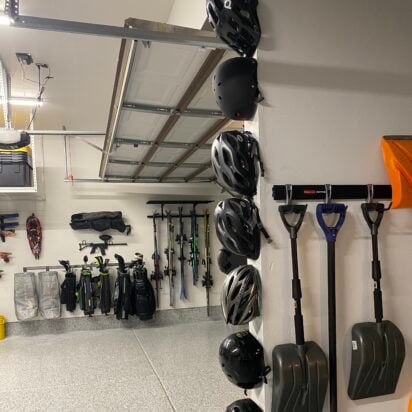
Garages are one of the best places to maximize storage space using heavy duty wall shelving. Sturdy shelving units can hold tools, seasonal decor, sports equipment, and storage bins, keeping the floor clear for parking or projects. Before buying another shelving unit, check the spacing on the units you already have. If your bins leave a large gap above them, adjusting the shelves may allow you to create another storage level using the same footprint.
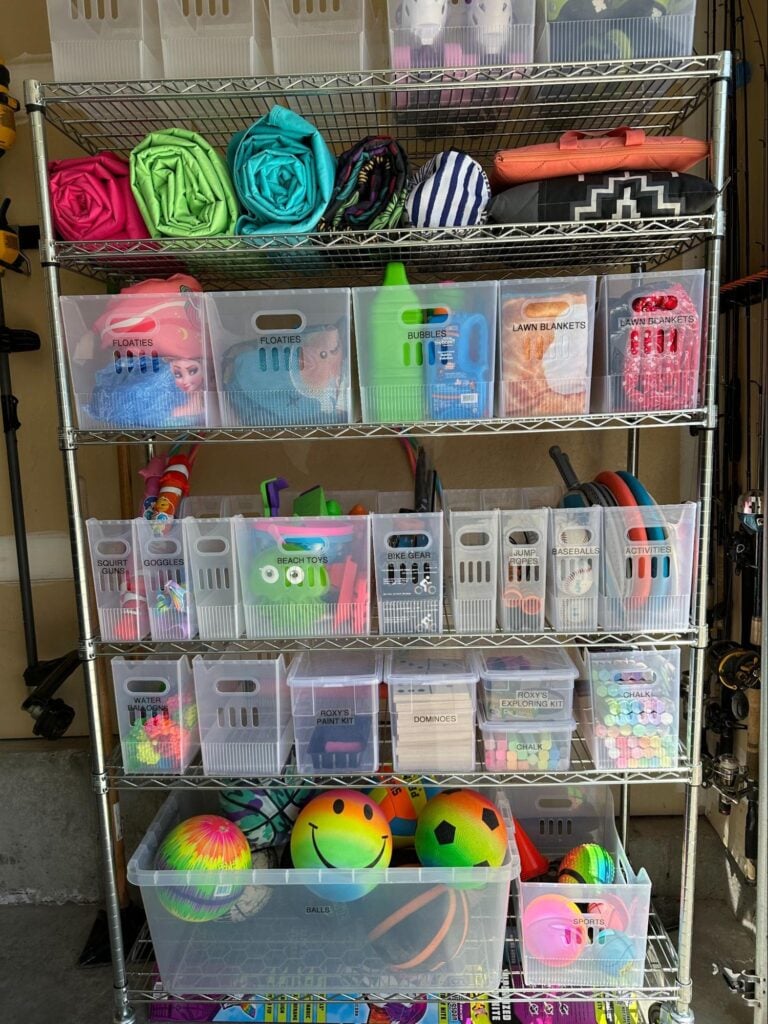
Not all shelving is created equal, and the type you choose should depend on the room and what you plan to store. But before choosing a shelving style, start with the items themselves.
Measure what you plan to store and the available space. Think about how much clearance you need to comfortably take items in and out. Then decide whether the best solution is repositioning an existing shelf, adding another shelf inside a cabinet, or installing a new shelving system.
When shopping for shelving storage ideas, pay attention to weight limits, wall material, and whether you will need to drill into studs for heavier loads. For shelves inside cabinets or closets, also pay close attention to width, depth, and the amount of vertical clearance your stored items actually require.
If you are unsure what to buy, our team has curated some favorite finds on our Amazon storefront and LTK page, which include tried and tested shelving and organizing products.
Whenever you are organizing a space, look up. A few inches of unused height can sometimes be enough to create an entirely new level of storage. Adjusting shelf spacing may create room for another level of food, dishes, shoes, baskets, or supplies without requiring a larger cabinet or taking up more floor space.
So, before adding another shelving unit, ask:
At the same time, more shelving is not always better. An empty wall or open area does not automatically need a shelf. Decide what you need to store first, then measure the items and the available space. When every shelf has a purpose, the finished system is easier to use and much easier to keep organized.
Installing or adjusting shelves is only part of the equation. Keeping them organized over time is what makes the system work.
Maximizing available space does not always require a full renovation. In many cases, it may not even require adding more storage.
Sometimes repositioning an existing shelf, adding one additional level inside a cabinet, or using the open space below hanging clothes can make a surprising difference. Start with the space that frustrates you most, whether that is an overflowing pantry, a cluttered garage, a closet with wasted space beneath the hanging clothes, or a bathroom with nowhere to put toiletries. Look for unused vertical space, measure what you need to store, and make changes based on those specific items rather than adding shelving just because you have room for it.
If you want a more comprehensive approach, our home organization services include full room assessments and custom storage plans, including shelving recommendations tailored to your space and habits. You can also visit our homepage to see the full range of ways we help simplify homes.
Ready to turn underused storage space into an organized, functional system? Schedule a consultation with our team and we will help you design a shelving plan that fits your home and your habits.
There is no single ideal height because the right spacing depends on what you plan to store. Start by measuring the items and allowing enough clearance to remove and return them comfortably. For adjustable shelving inside cabinets, closets, or pantries, avoiding unnecessary gaps can sometimes create room for an additional shelf. Kitchen shelves near counters are often installed 15 to 18 inches above the counter surface.
This depends on the shelf and installation method. Shelves mounted into wall studs with proper brackets can typically hold 25 to 50 pounds per shelf, while those anchored only into drywall should hold much less. Always check the manufacturer’s weight rating before loading a shelf.
Yes. In fact, wall shelving is one of the best storage shelves ideas for small spaces because it uses vertical space instead of floor space, which is often the most limited resource in a small room or apartment. That said, it is worth checking existing cabinets, closets, and shelves first. Adjusting their spacing may give you the additional storage you need without adding anything else to the room.
Group items by category, use matching baskets or bins for smaller pieces, and leave a bit of breathing room between groupings rather than filling every inch of the shelf. It also helps to give each shelf a defined purpose so it does not become a catchall for unrelated items.
While shelving can add significant storage, it works best as a complement to existing storage rather than a full replacement. Before adding new shelving, make sure the storage you already have is configured efficiently. Repositioning shelves or adding an extra level inside a closet, pantry, or cabinet may provide more usable space than you expect.
Some of the most effective wall storage ideas are the ones that solve a specific problem, such as adding shelves above a desk, using narrow shelving in a bathroom, or creating vertical storage in a garage. The best wall storage solutions should fit the items you need to store, make them easy to access, and use open wall space without creating another area for clutter to collect.